

Attracting a vibrant array of birds to your backyard is one of nature’s simple pleasures. While store-bought seed mixes are convenient, they can be expensive and sometimes contain filler ingredients that local birds ignore. Creating your own bird food is a rewarding, cost-effective, and fun project that allows you to cater specifically to the feathered friends in your region. It gives you complete control over the quality of the ingredients, ensuring you are providing a high-energy, nutritious meal that birds will truly appreciate, especially during harsh winter months or busy nesting seasons.
This guide is designed for beginners, providing simple recipes and clear instructions. We will show you exactly how to make homemade bird food, turning your backyard into the most popular dining spot on the block.
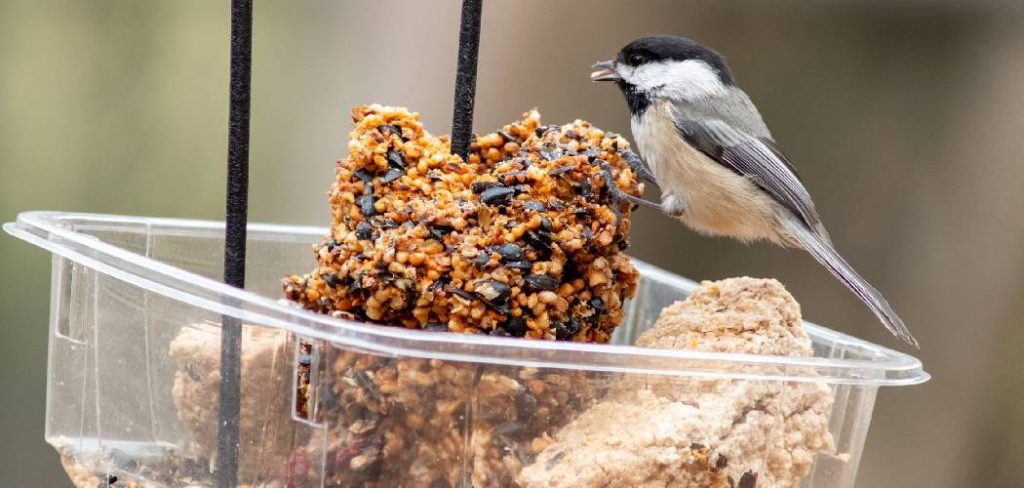
Step-by-Step Guide on How to Make Homemade Bird Food
Step 1: Choose High-Quality
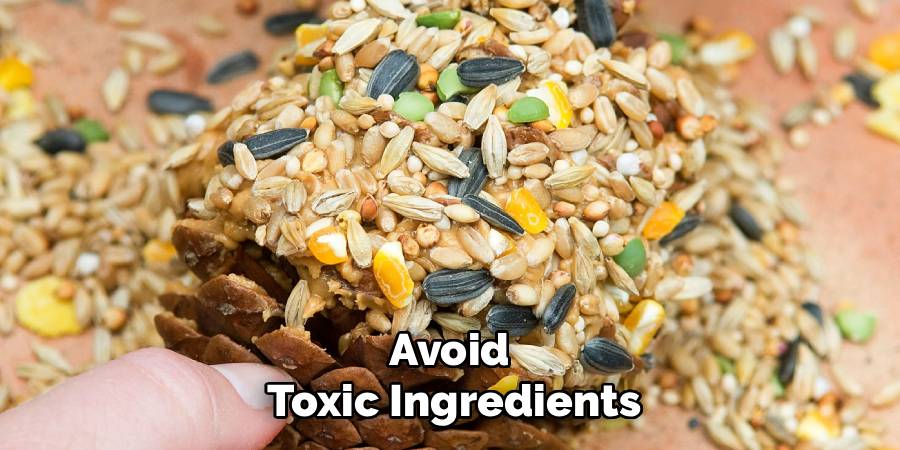
Before you begin mixing, it is crucial to understand what ingredients are both attractive and safe for wild birds. The best foundation for most homemade recipes is a high-fat binder like suet (raw beef fat) or a vegetable-based shortening. For the filler, black-oil sunflower seeds are a universal favorite, appealing to a wide variety of species. Other excellent choices include safflower seeds, cracked corn, unsalted peanuts, millet, and oats. You can also add natural, unsweetened dried fruits like raisins or cranberries. It is critically important to avoid toxic ingredients like bread, chocolate, salted nuts, and any processed human foods.
Step 2: Create a Basic Suet Cake
Suet cakes are a high-energy food source that is especially valuable for birds in the winter. To start, you will need to render the suet. Chop raw beef fat into small pieces and melt it slowly in a saucepan over low heat until it becomes a liquid. Strain the liquid through cheesecloth to remove any impurities. Once you have the rendered fat, allow it to cool slightly but not solidify. This liquid gold is the binder that will hold all your other nutritious ingredients together. This is a foundational technique when learning the basics of this craft.
Step 3: Mix Your Dry Ingredients into the Binder
Now for the fun part: creating your custom blend. In a large mixing bowl, combine your chosen dry ingredients. A good starting ratio is one part fat to one part dry mix, but you can adjust this based on your preference. For example, for every cup of melted suet, you could add a half cup of black-oil sunflower seeds, a quarter cup of cracked corn, and a quarter cup of unsalted peanut hearts. Stir everything together thoroughly until all the seeds and nuts are completely coated in the warm, melted fat. This ensures the mixture will hold its shape once it solidifies.
Step 4: Shape and Chill the Mixture
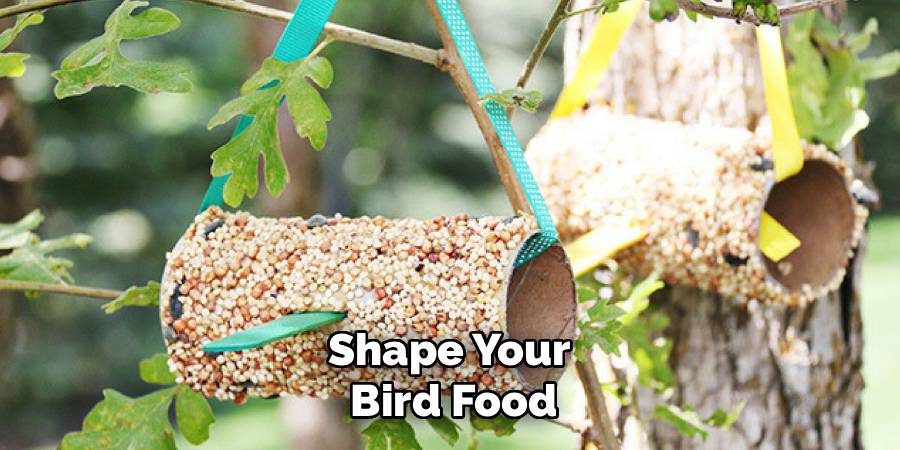
Once your ingredients are fully combined, it is time to shape your bird food. You can use standard square suet cake molds, which fit perfectly into most suet feeders. Alternatively, you can get creative by using muffin tins to create smaller “bird cupcakes,” or even just a simple square baking dish lined with parchment paper. Press the warm mixture firmly into your chosen mold to eliminate any air pockets. Once packed, place the molds into the refrigerator or freezer for several hours, or until the fat has completely solidified into a hard cake.
Step 5: The Pinecone Feeder
A classic and fun project, especially for kids, is the pinecone feeder. This method uses peanut butter as a binder instead of suet. Start with a large, dry pinecone. Tie a piece of sturdy twine or string around the top for hanging. In a bowl, mix equal parts chunky peanut butter and cornmeal. The cornmeal makes the peanut butter less sticky and easier for birds to swallow. Using a butter knife or a small spatula, spread this mixture generously all over the pinecone, pressing it deep into the crevices.
Step 6: Coat Your Pinecone Feeder
After you have covered the pinecone in the peanut butter mixture, it is time to add the final, delicious coating. Pour some birdseed onto a plate or a shallow dish. Roll the sticky, peanut butter-covered pinecone in the seeds until it is completely encrusted. This outer layer of seeds provides immediate appeal and texture for the birds. Once coated, you can hang your new feeder immediately from a tree branch or a hook in your yard. This is an incredibly simple, no-cook method to provide a high-energy treat for birds like woodpeckers, chickadees, and nuthatches.
Step 7: Create a Loose Seed Mix
You are not limited to just cakes and feeders. You can also create your own custom loose seed mix to use in traditional hopper or platform feeders. This allows you to cater to the specific tastes of the birds in your area and avoid the fillers found in commercial bags. Simply purchase your ingredients in bulk—black-oil sunflower seeds, white proso millet, safflower seeds, and cracked corn are great staples. Mix them in a large container. For example, a good all-purpose blend might be 50% sunflower seeds, 25% millet, and 25% cracked corn. Store your mix in an airtight container to keep it fresh and free from moisture and pests.
Seasonal Feeding Strategies
Different seasons bring changes in the needs and habits of your local bird population, so adjusting your feeding strategies can help support them year-round. During the winter months, provide high-energy foods like suet, peanuts, and black-oil sunflower seeds to help birds maintain their body heat. Spring is a time to focus on protein-rich foods such as mealworms and shelled peanuts, which are essential for breeding and raising young chicks.
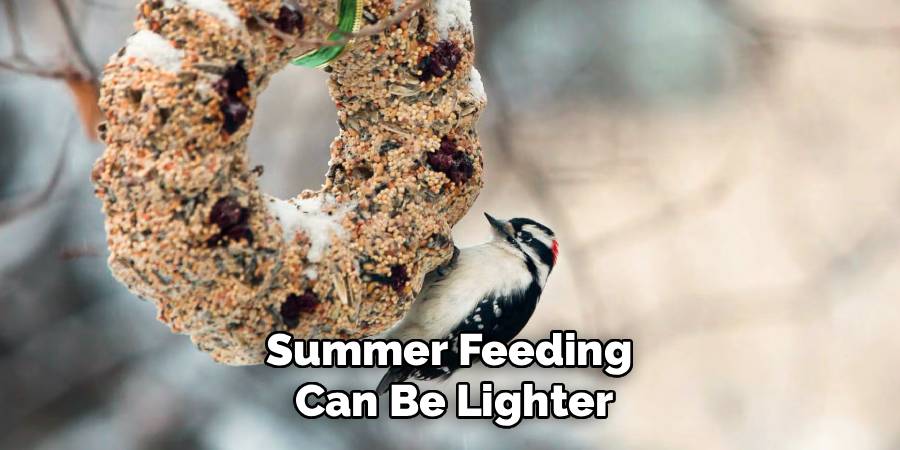
Summer feeding can be lighter, but fresh fruits and nectar are great options for species like orioles and hummingbirds. Finally, in the fall, offer foods that help birds build energy reserves for migration, such as sunflower seeds and nuts. Keeping your feeders clean and monitoring them regularly will ensure that you provide a safe and nutritious food supply throughout the year.
Frequently Asked Questions
What Human Foods Are Unsafe for Birds?
You should never offer birds any processed human foods. Key items to avoid include:
- Bread: Offers no nutritional value and can cause health problems.
- Salt: Birds cannot process salt, making salted nuts or popcorn dangerous.
- Chocolate: It is toxic to birds, just as it is to dogs and cats.
- Honey: Can harbor botulism spores that are harmful to birds.
- Dairy products: Birds are lactose intolerant.
Is Peanut Butter Safe for Birds?
Yes, peanut butter is a great source of fat and protein for birds. However, it is best to mix it with cornmeal or oats to make it less sticky and reduce the risk of choking. Always use natural, unsalted peanut butter without added sugar or artificial sweeteners like xylitol, which is toxic to animals.
How Do I Store My Homemade Bird Food?
Suet cakes or other fat-based foods should be stored in the refrigerator or freezer to prevent the fat from going rancid. They can last for several weeks in the fridge or for several months in the freezer. Loose seed mixes should be kept in a cool, dry place in an airtight container to protect them from moisture, mold, and pests like insects or rodents.
Why Aren’t Birds Eating My Homemade Food?
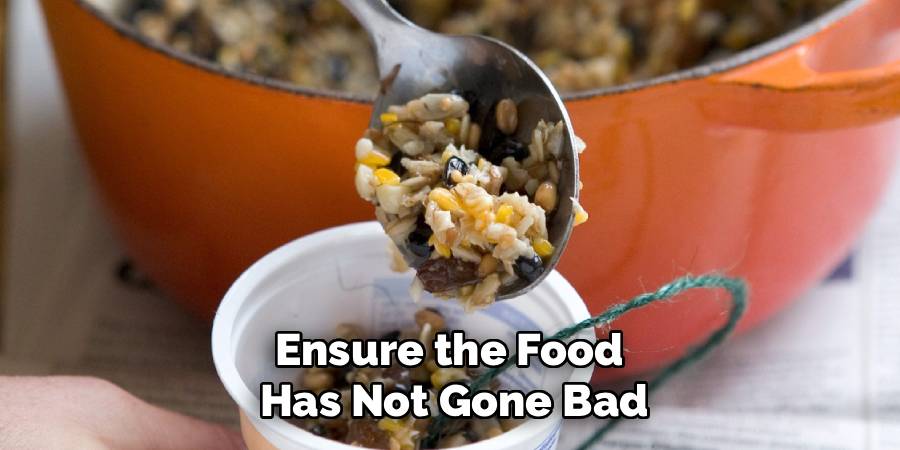
Patience is key. It can sometimes take birds a week or more to discover and trust a new food source. Make sure your feeder is placed in a safe location, near natural cover like trees or shrubs, but not so close that squirrels can easily access it. Also, ensure the food has not gone bad. If suet smells off or seeds are moldy, birds will avoid it.
Can I Use Bacon Grease Instead of Suet?
While tempting, it is best to avoid using bacon grease. Bacon is cured with salt and nitrates, and these additives can be harmful to birds. Stick to raw, unprocessed beef fat (suet) from a butcher or vegetable shortening as a safer, cleaner source of fat for your feathered visitors.
Conclusion
Creating your own bird food is a simple, fulfilling way to connect with the nature in your backyard. By selecting high-quality ingredients and following a few basic steps, you can produce nutritious meals that will attract a stunning variety of birds and support them throughout the year. From high-energy suet cakes for winter survival to simple pinecone feeders that make a great family project, the possibilities are endless.
Ditching store-bought mixes gives you control over quality and freshness, ensuring you are providing the best for your local wildlife. Now that you have learned how to make homemade bird food, you are ready to start mixing and enjoy the lively, feathered show that is sure to follow.

About
Ty Lin is a distinguished figure in the world of pet care and animal behavior, with a decade of expertise creating innovative and compassionate solutions for pet owners. His professional focus lies in merging traditional animal husbandry with modern behavioral science, fostering environments that are both enriching and supportive of animal welfare. As the author of this pet-focused platform, Ty Lin delves into the art and science of responsible pet ownership, inspiring animal lovers and industry professionals alike.
Education
RMIT University (Melbourne, Australia) Associate Degree in Animal Science (Ty Lin) Focus on animal nutrition, habitat enrichment, and practical care techniques. Gained hands-on experience with modern veterinary tech and dietary formulation software.
Nottingham Trent University (United Kingdom) Bachelor’s in Zoology and Animal Behavior (Honors) Specialized in companion animal psychology with a focus on blending positive reinforcement with lifestyle integration. Participated in industry projects, working with leading animal welfare organizations to gain real-world insights.
Publications and Impact
In his writing, Ty Lin shares his insights on pet health, behavioral training, and strategies for creating harmonious multi-pet households. His work bridges the gap between scientific research and daily pet care needs, making it a must-read for both first-time pet parents and seasoned animal enthusiasts.