

Discovering a wild bird in distress can be a heart-wrenching experience. Whether it is a tiny fledgling hopping awkwardly on the ground or an adult bird that has flown into a window, your natural instinct is to help. However, intervening with wildlife requires a delicate balance of compassion and caution. Many well-meaning actions can inadvertently cause more stress or harm to the animal.
Understanding the correct protocols is essential to ensuring the bird has the best possible chance of survival and release back into the wild. This guide is designed to empower you with the knowledge needed to handle these delicate situations correctly. We will walk you through the critical steps of assessment, temporary care, and when to call in the professionals. By learning how to look after a wild bird properly, you become a vital link in the chain of survival for our feathered friends, turning a moment of crisis into a story of hope and recovery.
Rescuing a wild bird can be a daunting yet rewarding experience. Whether injured, sick, or abandoned, these fragile creatures require quick thinking and gentle care. Understanding the right steps to take not only increases their chances of recovery but also ensures their safety and well-being. By familiarizing yourself with the essentials of bird rescue and care, you can make a meaningful difference in the life of a bird in need.
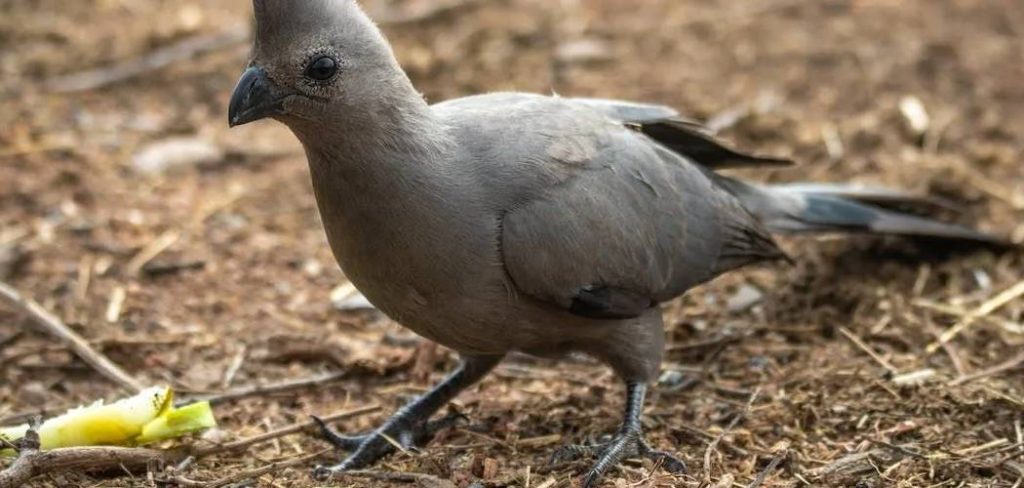
Step-by-Step Guide on How to Look After a Wild Bird
Step 1: Assess the Situation from a Distance
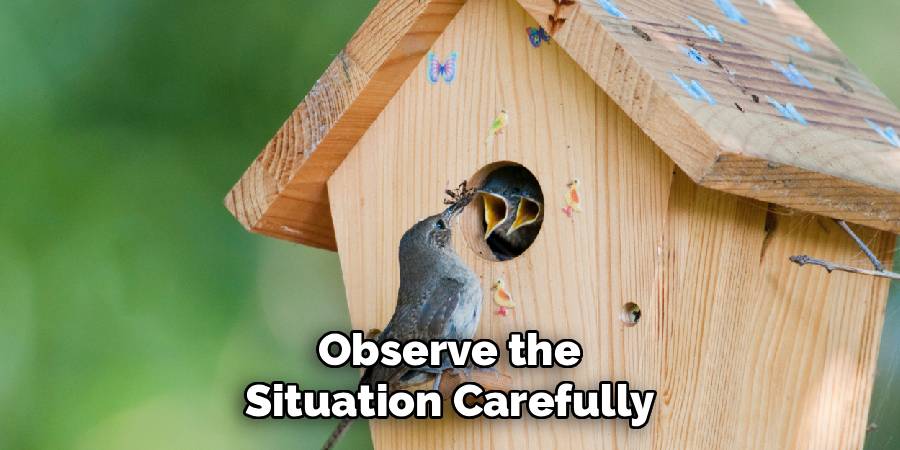
Before you rush in to scoop up the bird, take a moment to observe the situation carefully from a distance. Not every bird on the ground needs saving. Fledglings, which are young birds that have just left the nest, often spend a few days on the ground learning to fly while their parents watch from nearby trees. If the bird has feathers and is hopping around energetic but flightless, it is likely a fledgling and should be left alone unless it is in immediate danger from predators or traffic. However, if the bird is visibly injured, bleeding, shivering, or is a hatchling with no feathers, intervention is necessary. This initial assessment prevents you from accidentally “kidnapping” a healthy baby bird.
Step 2: Prepare a Safe Transport Container
Once you have determined that the bird truly needs help, you need to prepare a secure and quiet place to put it. Find a sturdy cardboard box that is appropriately sized for the bird—a shoebox works well for smaller species. Punch several small air holes in the lid or sides to ensure adequate ventilation. Line the bottom of the box with a soft, clean cloth, such as an old t-shirt or a paper towel. Avoid using terry cloth towels, as the loops can snag on the bird’s claws and cause injury. Having this container ready before you attempt to catch the bird minimizes the handling time and reduces the animal’s stress levels significantly.
Step 3: Capture the Bird Gently and Safely
Approaching a wild bird requires patience and a calm demeanor to avoid causing further shock. Throw a light towel or blanket over the bird to cover its head and body completely. Darkness helps to calm the bird immediately and prevents it from struggling, which could worsen any injuries. Gently pick up the bird through the towel, being careful to hold the wings against the body so they do not flap. Do not squeeze the bird, as their skeletal structures are incredibly fragile. Place the bird directly into your prepared box and secure the lid immediately. Wash your hands thoroughly after handling any wild animal to protect your own health.
Step 4: Minimize Stress
Stress is a silent killer for wild birds. Often, the shock of being captured and handled is more dangerous than the initial injury. Once the bird is in the box, place it in a warm, dark, and quiet room away from household pets, children, and loud noises like televisions or radios. Do not handle the bird unnecessarily, and resist the urge to peek at it frequently. The goal is to simulate a safe, hidden environment where the bird can stabilize. This period of quiet isolation is crucial for reducing their heart rate and allowing them to recover from the trauma of the event.
Step 5: Provide Gentle Warmth
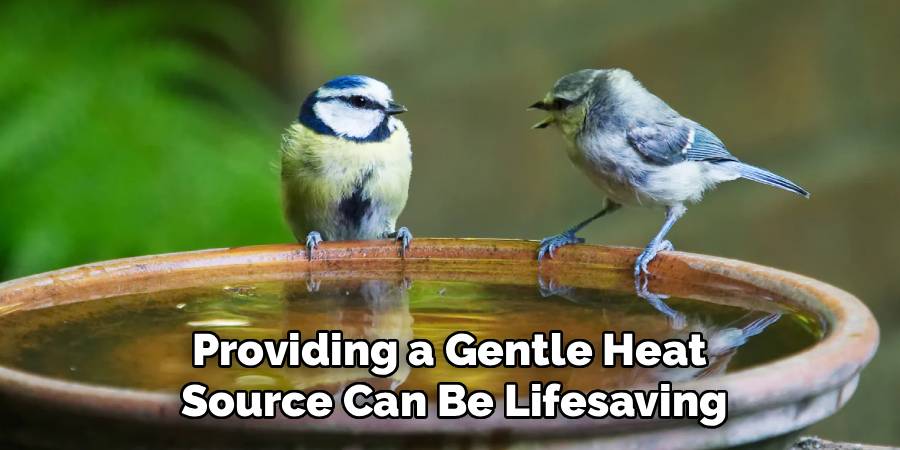
Injured or orphaned birds, particularly babies, often struggle to regulate their body temperature and can quickly become hypothermic. Providing a gentle heat source can be lifesaving. You can place a heating pad set to the lowest setting under half of the box, allowing the bird to move away from the heat if it gets too warm. Alternatively, fill a water bottle with warm (not hot) water, wrap it in a cloth, and place it inside the box next to the bird. Never place the bird directly on a hot surface. Maintaining a warm environment helps the bird conserve energy that it desperately needs for healing and survival.
Step 6: Do Not Offer Food or Water Immediately
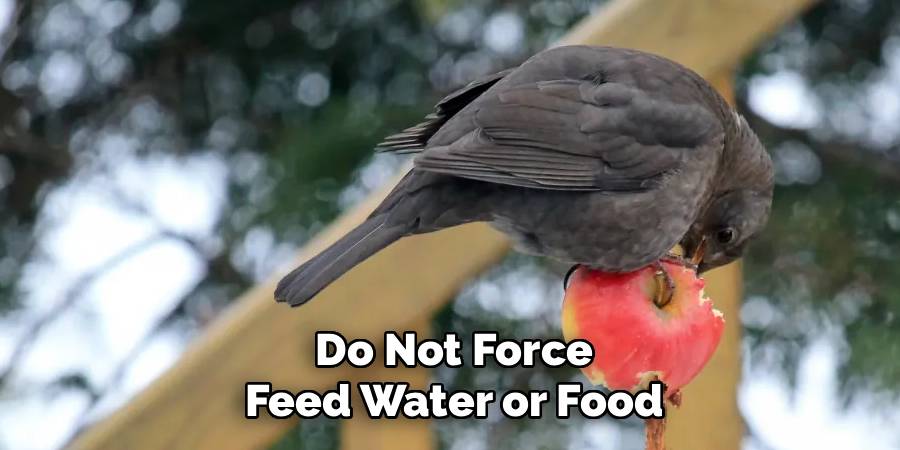
One of the most common mistakes rescuers make is trying to force-feed water or food to a distressed bird. This is dangerous and can lead to aspiration pneumonia, where liquid enters the lungs and causes a fatal infection. Furthermore, giving the wrong type of food can cause severe digestive issues. For example, bread and milk are harmful to birds. A bird in shock cannot digest food properly. It is safer to wait until you have spoken to a professional rehabilitator before offering anything. Your primary job is to provide shelter and warmth, not catering services, until expert advice is obtained.
Step 7: Contact a Wildlife Rehabilitator
It is important to remember that in many places, it is illegal to keep a wild bird in your possession without a permit. Your goal should always be to transfer the bird to a licensed wildlife rehabilitator as soon as possible. These professionals have the specialized training, medical equipment, and dietary knowledge to treat specific injuries and raise orphaned chicks successfully. Search online for local wildlife rescue centers or contact your state wildlife agency or a local veterinarian for a referral. Provide them with details about where you found the bird and its condition. Follow their instructions precisely regarding transport and care.
Step 8: Transport the Bird Carefully
When it is time to take the bird to the rehabilitation center, keep the journey as smooth and quiet as possible. Keep the box securely closed and place it on the floor of your car or secure it with a seatbelt to prevent it from sliding around during turns or stops. Keep the car radio off and avoid loud conversations to maintain a peaceful environment. Do not run the air conditioning or heater on high blasts directly at the box. Drive carefully to minimize vibrations. Upon arrival, give the rehabilitator all the information you have gathered. By handing the bird over to experts, you complete your rescue mission successfully.
Frequently Asked Questions
What Should I Do If I Find a Baby Bird on the Ground?
First, determine if it is a nestling or a fledgling.
- Nestlings are naked or have fluffy down and cannot hop; they need help. Try to locate the nest and gently place the bird back in. If you cannot find the nest, contact a rehabilitator.
- Fledglings have feathers and can hop; they are learning to fly. Leave them alone unless they are in immediate danger, as their parents are likely nearby feeding them.
Is It True That Mother Birds Will Abandon a Baby If a Human Touches It?
No, this is a common myth. Birds have a very poor sense of smell and do not identify their young by scent. They are driven by strong parental instincts and will not abandon their baby just because you touched it to put it back in the nest. However, you should still minimize handling to reduce stress on the chick.
What Can I Feed an Injured Bird While Waiting for Help?
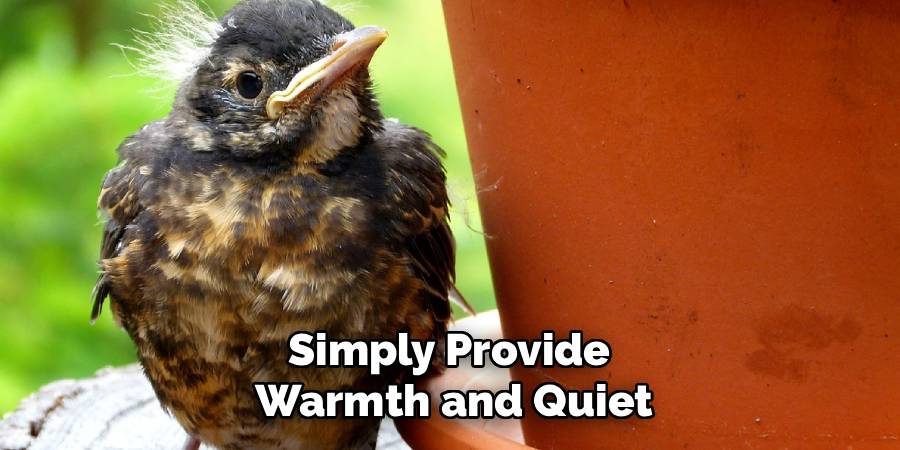
Ideally, nothing. Feeding the wrong food can be fatal. For example, earthworms can be toxic to certain species of songbirds, and liquid water can cause drowning if forced down the throat. Unless a licensed rehabilitator specifically instructs you to feed the bird and tells you exactly what to give, simply provide warmth and quiet.
How Can I Tell If a Bird Is in Shock?
A bird in shock will often appear fluffed up, with its feathers puffed out to conserve heat. It may be lethargic, sitting very still with its eyes closed or squinted, and unresponsive to your presence. It might also be breathing rapidly or shivering. Shock is a critical condition, and immediate warmth and quiet dark isolation are the best first aid.
Can I Keep a Wild Bird as a Pet?
No. In the United States, the Migratory Bird Treaty Act makes it illegal to possess, harm, or keep nearly all native wild bird species without a federal permit. Wild birds have complex dietary and behavioral needs that cannot be met in a typical home environment. Their best chance for a good life is to be rehabilitated and released back into the wild.
Conclusion
Stepping in to help a wild creature is a noble act that reflects a deep respect for nature. However, the most effective way to help is often by doing less, not more. By prioritizing safety, warmth, and professional assistance over improvised home care, you give the bird the fighting chance it deserves. Remember that your role is that of a first responder: stabilize the situation and transport the patient to the experts.
Following these guidelines ensures that your good intentions translate into a positive outcome. Now that you understand how to look after a wild bird correctly, you can act with confidence and compassion the next time you encounter a feathered friend in need, ensuring they get the expert care required to return to the skies.

About
Ty Lin is a distinguished figure in the world of pet care and animal behavior, with a decade of expertise creating innovative and compassionate solutions for pet owners. His professional focus lies in merging traditional animal husbandry with modern behavioral science, fostering environments that are both enriching and supportive of animal welfare. As the author of this pet-focused platform, Ty Lin delves into the art and science of responsible pet ownership, inspiring animal lovers and industry professionals alike.
Education
RMIT University (Melbourne, Australia) Associate Degree in Animal Science (Ty Lin) Focus on animal nutrition, habitat enrichment, and practical care techniques. Gained hands-on experience with modern veterinary tech and dietary formulation software.
Nottingham Trent University (United Kingdom) Bachelor’s in Zoology and Animal Behavior (Honors) Specialized in companion animal psychology with a focus on blending positive reinforcement with lifestyle integration. Participated in industry projects, working with leading animal welfare organizations to gain real-world insights.
Publications and Impact
In his writing, Ty Lin shares his insights on pet health, behavioral training, and strategies for creating harmonious multi-pet households. His work bridges the gap between scientific research and daily pet care needs, making it a must-read for both first-time pet parents and seasoned animal enthusiasts.