

Discovering frayed edges and bald patches on your expensive flooring is a frustrating experience that every cat owner dreads, yet it remains one of the most common behavioral complaints in households with felines. While you might feel like your pet is acting out of spite, this destructive habit is actually driven by deep-rooted instincts to mark territory, stretch muscles, and maintain nail health, meaning punishment is rarely the answer.

Instead of fighting nature, the secret lies in redirecting that natural energy toward appropriate objects while simultaneously making your carpets less appealing to those sharp claws. By understanding the biological needs driving the behavior and implementing a consistent strategy, you can successfully protect your home investments without damaging the loving bond you share with your cat. In this guide on how to prevent cats from scratching carpet, we will explore effective and humane ways to deter your furry friend from damaging your flooring.
Understanding Cat Scratching Behavior
To effectively address your cat’s scratching habits, it’s essential to first understand why they scratch. Scratching is a completely natural behavior for cats that serves several purposes. It helps them shed the outer layers of their claws, keeping them healthy and sharp. Scratching also allows cats to stretch their muscles and release built-up tension, which is vital for their physical well-being.
Additionally, scratching leaves scent markers and visual cues, which help cats establish their territory. Recognizing these instinctual behaviors is the foundation for developing a plan to redirect their attention to more appropriate surfaces.
Tools and Materials You’ll Need
To effectively train your cat to scratch appropriate surfaces, you will need a few tools and materials. These include:
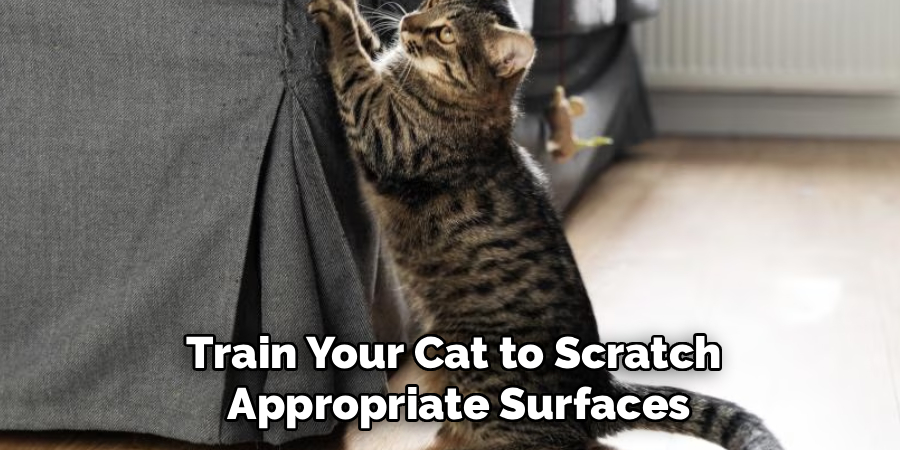
A Scratching Post or Board:
This should be tall enough for your cat to fully stretch out on, at least 3 feet in height.
Catnip:
This herb can help attract your cat to the desired scratching surface.
Treats:
Use small, tasty treats as positive reinforcement during the training process.
Deterrents:
These can be used to discourage your cat from scratching unwanted surfaces such as furniture.
7 Simple Step-By-Step Guidelines on How to Prevent Cats from Scratching Carpet
Step 1: Identify the Root Cause and specific Locations
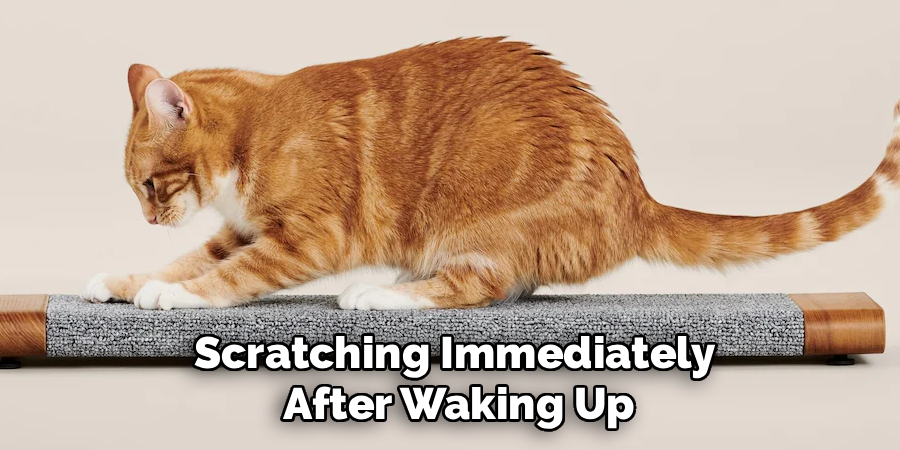
Before you can stop the behavior, you must analyze exactly why and where it is happening, as cats rarely scratch randomly without a purpose. You need to observe if your cat is scratching near doorways, which usually indicates territorial marking to signal their presence to potential intruders, or if they are scratching immediately after waking up, which suggests they are using the carpet to stretch their back muscles and shed loose nail sheaths. Take note of the specific texture of the carpet they are targeting; some cats prefer the resistance of a loop pile, while others like the ease of a cut pile, and understanding this preference is the key to choosing the right replacement.
Once you have identified the “why,” you must map out the “where” by physically inspecting your home for frayed threads or bald spots that you might have missed. If the scratching is happening in socially significant areas, such as next to the sofa where you sit or near their food bowl, it is a clear sign that your cat is trying to mingle their scent with yours or claim ownership of a resource. This step is critical because simply covering one spot without addressing the underlying motivation—whether it is anxiety, boredom, or the need to stretch—will usually result in the cat simply moving to a different corner of the room to continue the destruction.
Step 2: Choose and Place the Correct Alternative Scratchers
The most common reason training fails is that owners provide scratching posts that do not match the cat’s specific preferences or scratching style. If your cat is tearing up the carpet, they are telling you two things: they like horizontal surfaces, and they likely enjoy a material that offers some resistance and shredability. You should invest in horizontal scratching pads made of corrugated cardboard or tightly woven sisal, as these mimic the resistance of a rug, avoiding carpet-covered posts, which only confuse the animal by teaching them that scratching rug-like textures is acceptable.
Placement is just as vital as the object itself; you cannot hide the scratching post in a spare bedroom or the basement and expect your cat to go looking for it. You must initially place the new scratcher directly on top of or immediately next to the damaged area of the carpet where they have already established a habit. This acts as a bait-and-switch technique; when the urge to scratch hits, the appropriate object is right there, offering a better and more satisfying texture than the floor. Over time, once they are consistently using the new scratcher, you can gradually inch it toward a more convenient location, but the initial placement must intercept their routine.
Step 3: Make the Carpet Unappealing with Deterrents
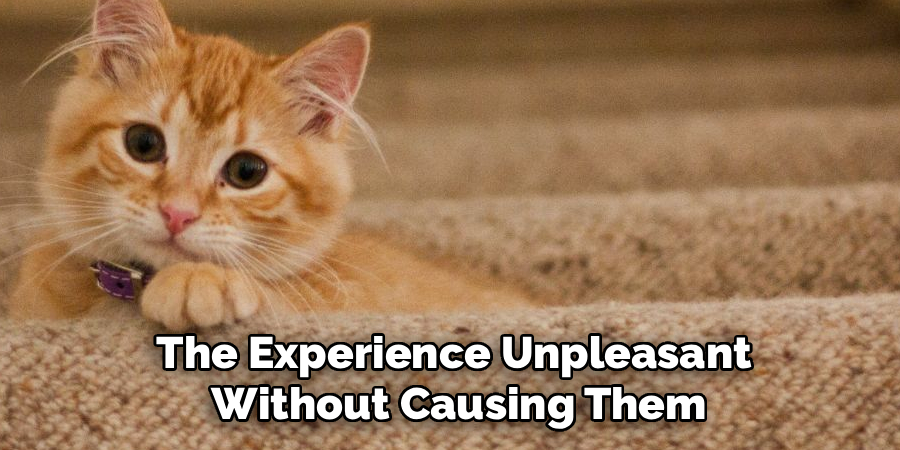
Now that you have provided a “yes” option, you must turn the carpet into a distinct “no” option by altering its texture to something your cat finds repulsive. Cats are incredibly tactile creatures, and they generally detest sticky surfaces or anything that feels unnatural against their paw pads, so applying wide, medical-grade double-sided tape (often sold as “Sticky Paws”) directly over the spots they frequent is highly effective. When they attempt to scratch, the sticky sensation interrupts their focus and makes the experience unpleasant without causing them any pain or fear.
If tape is not an option due to the size of the area, you can utilize heavy-duty plastic carpet runners with the spiked side facing up, or simple aluminum foil secured with masking tape. The goal here is not to trap the cat, but to create a sensory barrier that breaks the habit loop; when they approach the spot, they should encounter a texture that does not allow them to sink their claws in. You must maintain these deterrents for several weeks, not just a few days, because you need to ensure the habit is completely broken and that they have fully transferred their allegiance to the scratching post you provided in Step 2.
Step 4: Neutralize Scent Markers with Enzymatic Cleaners
One of the invisible drivers of carpet scratching is the pheromones that cats deposit from the scent glands located between their toes. Every time your cat scratches a specific spot on the rug, they are leaving behind a chemical signature that essentially puts a neon sign on the floor saying “Renew Territory Here,” which compels them to return to the same spot repeatedly. You cannot simply vacuum this away or use standard household cleaners, as ammonia-based products can actually smell like urine to a cat and encourage them to mark over it even more aggressively.
To break this cycle, you must thoroughly saturate the damaged areas with a high-quality enzymatic cleaner designed specifically for pet odors. These cleaners work by breaking down the proteins in the biological material, effectively erasing the “message” the cat left for themselves. By removing the scent that triggers the behavior, you reset the area to neutral territory, making it much easier for the deterrents from Step 3 to work effectively. This step is crucial for multi-cat households where scratching can often be a competitive behavior, as removing the scent reduces the need for other cats to scratch over the same spot.
Step 5: Implement a Regular Nail Maintenance Routine
Long, sharp nails are much more likely to snag on carpet loops, and the physical sensation of a long nail needing to be shed is a powerful biological trigger for scratching. When a cat’s nails grow too long, they curve inward and can become uncomfortable, driving the cat to scratch vigorously to remove the outer sheath and reveal the sharper nail underneath. By establishing a routine of trimming your cat’s nails every two to three weeks, you blunt the tips, which significantly reduces the damage they can inflict on your flooring if they do slip up.

If you are uncomfortable trimming the nails yourself, or if your cat is particularly resistant to the process, you might consider using soft plastic nail caps. These are small, non-toxic vinyl sheaths that are glued over the cat’s natural claws, allowing them to extend and retract their nails normally but preventing the sharp point from making contact with your carpet. This is often a great temporary solution while you are in the middle of training, as it renders their scratching attempts futile and protects your home while they learn to use the appropriate posts.
Step 6: Use Positive Reinforcement and Play Therapy
Punishment is ineffective with cats and can often exacerbate the problem by causing stress, which leads to more scratching; therefore, you must focus entirely on rewarding the behavior you want to see. Carry high-value treats or a clicker with you, and the moment you see your cat approach the new scratching post or pad, offer verbal praise and a food reward. You can also make the new scratcher more enticing by rubbing organic catnip into the cardboard or sisal, or by engaging them in play with a wand toy and dragging the lure across the scratching post to encourage them to grab it.
The goal is to build a strong positive association with the scratching post so that it becomes the most valuable object in the room in their eyes. If you catch your cat in the act of scratching the carpet, avoid yelling or spraying water, as this teaches them to fear you rather than the activity; instead, make a sharp noise to interrupt them, then immediately gently redirect them to the correct post. Once they touch the correct post, reward them instantly, creating a clear contrast between the behavior that gets interrupted and the behavior that gets a tasty reward.
Step 7: Repair the Damage to Remove Visual Triggers
Even after you have successfully deterred the cat and they are using their post, leaving the shredded carpet visible can act as a visual trigger that tempts them to start again. The loose threads and fluffy texture of a damaged carpet are incredibly enticing to a cat, mimicking the feathers or fur of prey, and they may find it hard to resist pulling at a snag, even if they know they shouldn’t. You should carefully trim away any loose threads with scissors to smooth out the area as much as possible.
If the damage is significant, consider placing a heavy throw rug or a piece of furniture over the spot permanently, or patching the section of carpet if you have remnants available. By removing the visual evidence of their past scratching, you are essentially closing the chapter on that behavior and removing the temptation to “finish the job.” This step helps to solidify the new habits you have built, ensuring that the environment looks clean and orderly, which supports the overall training effort.
Following these steps on how to prevent cats from scratching carpet can greatly improve the relationship between you and your feline friend. By understanding why cats scratch, providing appropriate alternatives, and maintaining a positive reinforcement training approach, you can effectively redirect their behavior and protect your carpet at the same time.
Safety Tips
When implementing these strategies, your primary concern must always be the safety of your pet. Ensure that any double-sided tape you use is specifically designed for pets (like “Sticky Paws”) and not industrial-strength adhesive, which could damage their delicate paw pads or painful rip out fur. Never use essential oils or chemical deterrents like mothballs, red pepper flakes, or harsh cleaning agents on your carpet, as these can be highly toxic if the cat walks through them and then grooms their paws, potentially leading to poisoning or chemical burns.

Additionally, always inspect your carpet for loose strings or loops created by the scratching; if a cat swallows a long thread, it can cause a linear foreign body obstruction in their intestines, which is a life-threatening emergency requiring surgery.
Common Mistakes to Avoid
One of the biggest errors owners make is forcing the cat’s paws onto the scratching post, which can frighten them and create a negative association with the object you want them to love. Another common mistake is throwing away a scratching post because it looks shredded and “ugly”; cats actually prefer posts that look torn up because it shows their territory has been marked, so throwing it away resets their progress.
Many people also give up too quickly, trying a method for only two days before deciding it doesn’t work, but behavior modification takes weeks of consistency. Finally, avoiding the use of ammonia-based cleaners is critical, yet many owners use them by mistake, unknowingly encouraging their cats to return to the scene of the crime.
Frequently Asked Questions
Q1: Why Do Cats Scratch Carpets?
Cats scratch carpets for three primary reasons: to mark their territory visually and with scent, to groom their claws by removing the dead outer husk, and to stretch their bodies. The carpet offers a high-resistance surface that allows them to dig in their claws and get a full-body stretch, which relieves tension. It is an instinctual, healthy behavior, not an act of rebellion.
Q2: Is Declawing A Good Solution For Carpet Scratching?
No, declawing is not a recommended solution and is considered inhumane by most veterinary organizations and animal welfare groups. It is not merely a nail trim; it is the surgical amputation of the last bone in each of the cat’s toes, comparable to cutting off a human finger at the last knuckle. This procedure can lead to long-term pain, arthritis, refusal to use the litter box, and increased biting aggression.
Q3: How Often Should I Replace Scratching Pads?
You should replace cardboard scratching pads when they become too shredded to offer resistance, as your cat will lose interest if they cannot get a good grip. However, for sisal or rope posts, do not replace them just because they look messy; cats prefer “broken-in” posts. Only replace vertical posts if they become unstable or wobbly, as a post that falls over can scare a cat permanently.

Q4: Can Older Cats Be Trained To Stop Scratching?
Yes, older cats can absolutely be retrained, though it may require more patience than training a kitten. Senior cats often have established habits, so you may need to experiment more with texture preferences and rely heavily on high-value treats and pheromone diffusers to ease the transition. The key is to make the new scratching option significantly more appealing than the old carpet.
Conclusion
Preventing your cat from scratching the carpet is not about suppressing their natural instincts, but rather about guiding those instincts in a direction that keeps your home intact. By understanding the reasons behind the behavior—whether it is territory marking or a need to stretch—and providing attractive alternatives like sisal pads and sturdy posts, you can solve the problem peacefully.
Remember that patience, consistency, and positive reinforcement are your most powerful tools. With the right combination of deterrents for the carpet and rewards for the scratching post, you can enjoy a pristine home and a happy, well-adjusted cat. Thanks for reading this guide on how to prevent cats from scratching carpet.

About
Ty Lin is a distinguished figure in the world of pet care and animal behavior, with a decade of expertise creating innovative and compassionate solutions for pet owners. His professional focus lies in merging traditional animal husbandry with modern behavioral science, fostering environments that are both enriching and supportive of animal welfare. As the author of this pet-focused platform, Ty Lin delves into the art and science of responsible pet ownership, inspiring animal lovers and industry professionals alike.
Education
RMIT University (Melbourne, Australia) Associate Degree in Animal Science (Ty Lin) Focus on animal nutrition, habitat enrichment, and practical care techniques. Gained hands-on experience with modern veterinary tech and dietary formulation software.
Nottingham Trent University (United Kingdom) Bachelor’s in Zoology and Animal Behavior (Honors) Specialized in companion animal psychology with a focus on blending positive reinforcement with lifestyle integration. Participated in industry projects, working with leading animal welfare organizations to gain real-world insights.
Publications and Impact
In his writing, Ty Lin shares his insights on pet health, behavioral training, and strategies for creating harmonious multi-pet households. His work bridges the gap between scientific research and daily pet care needs, making it a must-read for both first-time pet parents and seasoned animal enthusiasts.