

Discovering holes scattered across your beautiful lawn can be incredibly frustrating for any homeowner who takes pride in their landscaping. Dogs dig for a variety of reasons, ranging from simple boredom and anxiety to the instinctual need to hunt or cool off, and understanding this behavior is the first step toward stopping it. Rather than simply punishing your pet, effective prevention requires a thoughtful strategy that addresses the root cause while redirecting their energy into more positive activities.
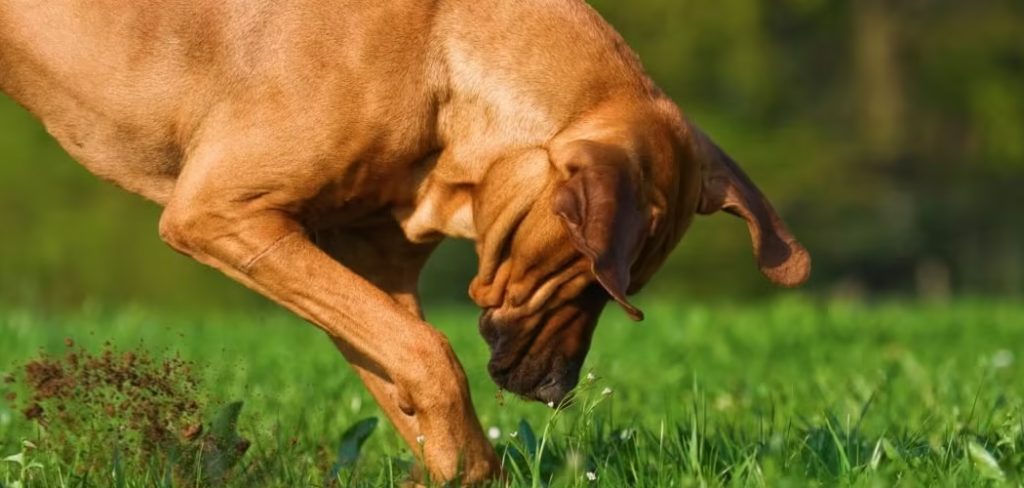
By implementing a few targeted changes to your routine and backyard environment, you can protect your garden without compromising your dog’s happiness. This guide on how to prevent dogs from digging in yard offers practical solutions to help you reclaim your yard while strengthening the bond with your furry friend through better training and understanding. With patience and consistency, you can turn your pitted landscape back into a pristine green space that both you and your dog can enjoy safely together.
Tools and Materials You’ll Need
In order to successfully prevent your dog from digging in your yard, you may need to use a few tools and materials. These can include:
Bark Deterrent Spray:
This is a safe and natural repellent that will discourage your dog from digging in specific areas of your yard.
Chicken Wire or Mesh Fencing:
These are effective barriers that can be placed around flower beds or other sensitive areas to deter dogs from digging. They can also be buried underground to prevent digging in the entire yard.
Citrus Peels or Cayenne Pepper:
These are natural remedies that can be sprinkled around your yard to discourage your dog from digging. The strong smell and taste will deter them from digging in those areas.

Raised Garden Beds:
If you have a designated gardening area, consider building raised beds. This will provide a clear boundary for your dog and make it more difficult for them to dig up your plants.
Toys and Activities:
Boredom is often a leading cause of destructive behavior in dogs. Providing plenty of toys and engaging activities for your dog can help prevent them from getting bored and feeling the need to dig. Puzzle toys, chew toys, and interactive games can keep your dog mentally stimulated and physically active.
Positive Reinforcement:
Another effective way to discourage digging behavior is through positive reinforcement training. When your dog digs in an appropriate area, reward them with praise and treats. This will reinforce the desired behavior and encourage them to continue using that area for digging.
7 Simple Step-by-step Guidelines on How to Prevent Dogs From Digging in Yard
Step 1: Identify the Root Cause of the Behavior
Before you can effectively stop your dog from digging, you must first understand why they are doing it, as the motivation dictates the solution. Dogs rarely dig out of spite; they are usually communicating a need that isn’t being met, such as boredom, excess energy, anxiety, or physical discomfort from the heat.
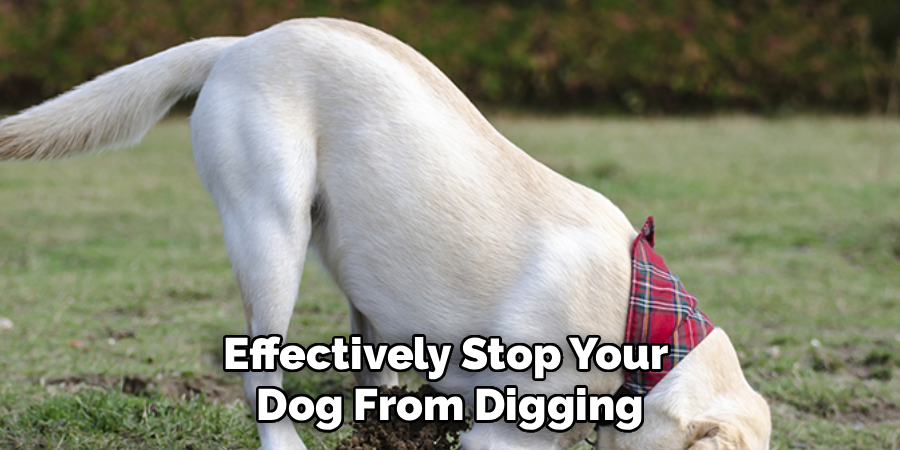
If your dog is a high-energy breed like a Husky or Terrier, they might be digging simply because they have no other outlet for their natural drive, or perhaps they are trying to escape the yard to find a mate or explore the neighborhood. Observing when and where your dog digs is crucial; for instance, digging near the fence suggests a desire to escape, while digging shallow holes in shaded areas often indicates they are trying to cool down on a hot day.
Once you pinpoint the specific trigger, you can tailor your approach rather than using a generic “one-size-fits-all” punishment that often fails to work long-term. If the cause is boredom, no amount of physical barriers will stop them for long because they will just find a new spot to entertain themselves. By addressing the emotional or physical root—whether that involves treating separation anxiety, providing cooling mats, or increasing social interaction—you solve the problem at its source. This investigative phase saves you time and frustration, ensuring that the changes you implement in the following steps are actually relevant to your specific dog’s psychology and needs.
Step 2: Increase Physical and Mental Stimulation
A tired dog is a good dog, and often, a digging dog is simply an under-stimulated one with too much energy to burn. Many dogs resort to landscaping destruction because they are essentially unemployed; they need a “job” or activity to occupy their active minds and bodies throughout the day. You should aim to significantly increase the amount of exercise your dog gets daily, mixing up routine walks with vigorous games of fetch, jogging, or even agility training in the backyard to wear them out. Mental stimulation is equally important; puzzle toys, scent work games, and obedience training sessions force them to use their brains, which can be even more exhausting than physical exercise alone.
If you leave your dog alone in the yard for long periods without anything to do, they will inevitably create their own fun, which unfortunately involves your flowerbeds. Instead of leaving them idle, provide long-lasting chews or stuffable food toys that require time and effort to finish, effectively redirecting their focus away from the dirt. Integrating short, frequent training sessions into your day helps reinforce discipline while burning off that nervous energy that fuels destructive behaviors. When a dog feels fulfilled both physically and mentally, the compulsion to dig out of sheer boredom or frustration diminishes significantly, leaving your yard intact and your pet much happier and calmer.

Step 3: Create a Designated Digging Zone
It might sound counterintuitive, but sometimes the best way to stop digging is to actually allow it—but only in a specific, controlled spot. Some breeds, specifically Terriers and Dachshunds, have a genetic predisposition to dig that is incredibly difficult to completely suppress without causing the animal distress. Building a sandbox or designating a specific corner of the yard where digging is encouraged allows them to satisfy this instinctual urge without ruining your manicured lawn or vegetable garden. You can construct a simple wooden frame or use a heavy-duty plastic kiddie pool, filling it with soft sand or loose soil that is distinct from the rest of your yard’s terrain.
To make this new zone attractive, you need to “seed” it with interesting things that will capture your dog’s attention and reward them for digging there. Bury their favorite toys, bones, or treats just beneath the surface of the sand, encouraging them to discover these treasures through their natural digging behavior. When you catch them digging in a forbidden area, gently interrupt them and lead them to their designated pit, rewarding them heavily with praise and treats when they dig there instead. Over time, your dog will learn that this specific location yields rewards and is a safe place to let loose, effectively sparing the rest of your garden from their enthusiastic paws.
Step 4: Fortify Your Garden Beds and Fences
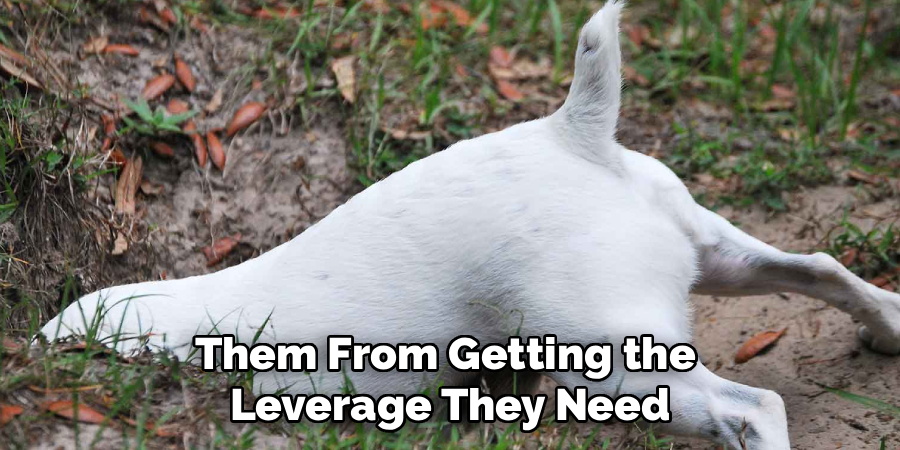
Sometimes, training needs to be supplemented with physical barriers that make digging in unwanted areas physically difficult or unpleasant for your dog. If your dog is targeting specific flower beds or garden patches, you can bury chicken wire or hardware cloth just an inch or two below the surface of the soil. Dogs generally dislike the sensation of the wire against their paws, and after a few failed attempts to dig through it, they will usually give up and move on to easier terrain. Alternatively, placing large, heavy rocks around the base of plants or along fence lines acts as a formidable obstacle that prevents them from getting the leverage they need to excavate effectively.
For dogs that are determined escape artists, digging under fences, you may need to take more robust measures to secure the perimeter of your property. Burying the bottom of your fence one to two feet deep, or laying down chain-link fencing on the ground at the base of the fence and anchoring it, makes tunneling out nearly impossible. You can also use safe, natural deterrents like burying their own waste in the holes they’ve previously dug (most dogs won’t dig where they’ve pooped) or using strong-smelling citrus peels or vinegar sprays, as dogs have sensitive noses and typically avoid these scents. These physical modifications serve as a constant reminder of boundaries,s even when you aren’t there to supervise directly.
Step 5: Eliminate Rodents and Pests
If your dog seems to be digging randomly in the middle of the yard or obsessively at the roots of shrubs, they might be hunting burrowing animals like moles, gophers, or chipmunks. Dogs have incredibly acute hearing and smell, allowing them to detect the presence of critters underground long before you ever see signs of them on the surface. In this case, the digging is a predatory response, and unless you remove the prey, your dog will continue their excavation efforts relentlessly. Inspect your lawn closely for signs of rodent activity, such as raised tunnels, mounds of dirt, or damaged plant roots, which confirm that your dog is on a hunting mission.
To solve this, you need to address the pest problem safely and humanely, ensuring that any methods you use do not pose a risk to your dog or other wildlife. Avoid using toxic poisons or baits, as your dog could easily ingest these or eat a poisoned rodent, leading to severe health complications. Instead, opt for safe traps, castor oil-based repellents, or professional pest control services that specialize in pet-safe removal methods. Once the underground temptation is removed, your dog’s motivation to dig in those specific areas will vanish, allowing you to repair the damage and reclaim your lawn without fighting a losing battle against your dog’s hunting instincts.
Step 6: Provide Cooling and Shelter Options
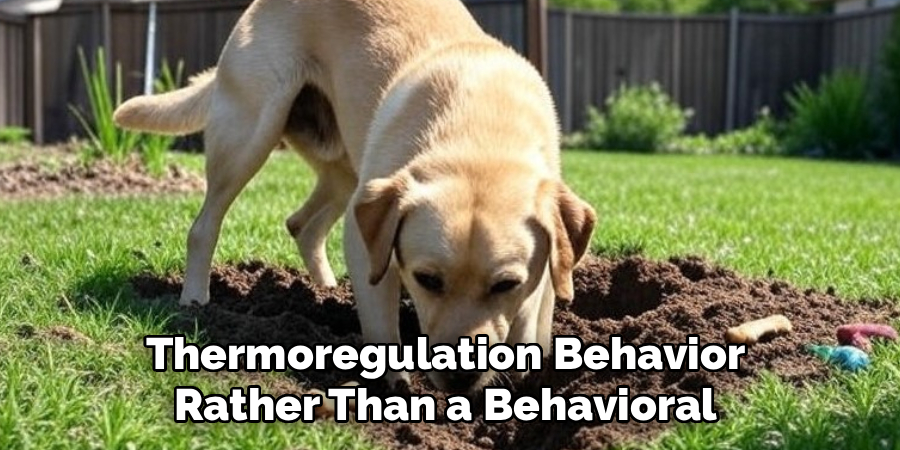
During the hotter months of the year, dogs often dig holes to expose the cool soil underneath the surface, creating a comfortable spot to lie down and regulate their body temperature. If you notice your dog digging shallow, body-sized depressions in shaded areas or under decks, this is almost certainly a thermoregulation behavior rather than a behavioral issue. It is a survival instinct, and punishing them for trying to stay cool is unfair and ineffective; instead, you must provide alternative ways for them to beat the heat. Ensure your yard has ample shade throughout the day, using tarps, umbrellas, or dog houses that are well-ventilated and placed away from direct sunlight.
In addition to shade, offer active cooling solutions that are more appealing than a dirt hole. A rigid plastic kiddie pool filled with fresh water is an excellent way for dogs to cool off without destroying the landscaping, provided they enjoy water. You can also invest in specialized cooling mats or elevated dog beds that allow air to circulate underneath them, providing a much more comfortable resting spot than the hot grass. By ensuring your dog has a comfortable, cool sanctuary outdoors, you eliminate the physical necessity for them to create their own cooling pit, preserving your lawn while keeping your pet safe from heat exhaustion.
Step 7: Supervise and Redirect with Consistency
No prevention strategy is complete without active supervision, especially in the early stages of retraining your dog’s behavior. You simply cannot expect your dog to learn the rules of the yard if it is left unattended for hours to practice bad habits without correction. Whenever your dog is outside, try to be there with them so you can catch them in the act the moment they start to dig. This allows you to interrupt the behavior immediately with a firm “no” or a distraction noise, preventing them from getting the satisfaction of completing the hole.

Consistency is key here; you must respond the same way every single time the digging occurs to reinforce the boundary clearly. Once you have interrupted the behavior, immediately redirect them to a positive activity, such as playing with a toy, running a command, or digging in their designated sand pit if you created one. Praise them lavishly when they engage in the appropriate behavior, creating a positive association with doing the right thing rather than just a negative association with the wrong thing. Over time, this consistent guidance helps them understand what is expected of them, transforming your backyard time from a stressful policing duty into an enjoyable bonding experience.
Following these steps on how to prevent dogs from digging in yard, you can create a harmonious and enjoyable outdoor environment for both you and your furry friend. Additionally, providing enough physical activity and mental stimulation through exercise and playtime can also reduce the likelihood of your dog digging in the yard out of boredom or excess energy.
Common Mistakes to Avoid
A major error many owners make is punishing the dog for a hole discovered long after the digging occurred; dogs cannot connect past actions with present punishment, so this only creates fear and confusion.
Another mistake is filling holes immediately while the dog watches, which can turn the activity into a fun game where they think they are helping you “garden.” Failing to address the underlying cause, such as boredom or heat, renders physical barriers useless as the dog will simply find a new spot to dig. Finally, being inconsistent with rules—allowing digging sometimes but not others—makes it impossible for the dog to learn boundaries.

Frequently Asked Questions
Q1: Can I Use Pepper To Stop My Dog From Digging?
A1: While common household spices like cayenne pepper or chili powder are frequently touted as home remedies to deter digging due to their strong scent, they can actually be harmful and inhumane. If a dog sniffs or inhales the powder directly, it can cause severe irritation to their sensitive nose, eyes, and respiratory system, leading to unnecessary pain and distress. It is much safer and more effective to use commercial deterrent sprays specifically designed for pets or to address the root cause of the behavior through training and environmental enrichment.
Q2: Why Do Dogs Dig In Their Beds Or Blankets?
A2: Digging in beds or blankets is a natural, instinctual behavior known as “denning,” which dogs inherited from their wild ancestors who would dig to create a comfortable, safe, and temperature-controlled sleeping area. This behavior is generally harmless and is their way of rearranging their sleeping spot to make it cozier or to mark it with their scent before settling down for a nap. Unless the behavior becomes obsessive or destroys expensive bedding, it is usually best to let them perform this comforting ritual, as it helps them feel secure.
Q3: Does Neutering My Dog Stop Them From Digging?
A3: Neutering can help reduce digging behavior if the primary motivation is the urge to escape the yard to find a mate, which is a powerful drive in intact male dogs. However, neutering is not a magic cure-all for digging related to boredom, anxiety, hunting instincts, or thermal regulation, as these are unrelated to reproductive hormones. It should be considered as part of a holistic approach to behavior management, but you will likely still need to implement training and environmental changes to fully resolve the digging issue.
Q4: How Long Does It Take To Stop A Dog From Digging?
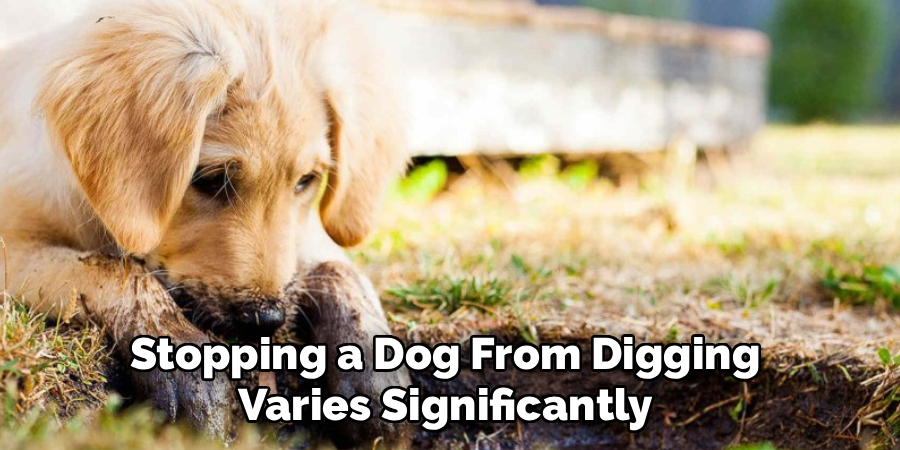
A4: The timeline for stopping a dog from digging varies significantly depending on the dog’s breed, age, and how long the habit has been established, but you should expect it to take anywhere from a few weeks to several months of consistent effort. Success relies heavily on how effectively you identify the root cause and how consistently you apply supervision and redirection techniques during their time outdoors. Patience is essential, as retraining an instinctual behavior is a gradual process that requires reinforcement until the new habits are firmly set in the dog’s mind.
Conclusion
Preventing your dog from digging up your yard requires a mix of detective work, patience, and consistent training. By identifying whether your dog is bored, hot, anxious, or hunting, you can choose the right solution—whether that’s more exercise, a designated digging pit, or pest control.
Remember that digging is a natural instinct, not an act of rebellion, so guiding your dog toward better behaviors is far more effective than punishment. With the right tools and a step-by-step approach, you can save your lawn and keep your pup happy. Thanks for reading this guide on how to prevent dogs from digging in yard.

About
Ty Lin is a distinguished figure in the world of pet care and animal behavior, with a decade of expertise creating innovative and compassionate solutions for pet owners. His professional focus lies in merging traditional animal husbandry with modern behavioral science, fostering environments that are both enriching and supportive of animal welfare. As the author of this pet-focused platform, Ty Lin delves into the art and science of responsible pet ownership, inspiring animal lovers and industry professionals alike.
Education
RMIT University (Melbourne, Australia) Associate Degree in Animal Science (Ty Lin) Focus on animal nutrition, habitat enrichment, and practical care techniques. Gained hands-on experience with modern veterinary tech and dietary formulation software.
Nottingham Trent University (United Kingdom) Bachelor’s in Zoology and Animal Behavior (Honors) Specialized in companion animal psychology with a focus on blending positive reinforcement with lifestyle integration. Participated in industry projects, working with leading animal welfare organizations to gain real-world insights.
Publications and Impact
In his writing, Ty Lin shares his insights on pet health, behavioral training, and strategies for creating harmonious multi-pet households. His work bridges the gap between scientific research and daily pet care needs, making it a must-read for both first-time pet parents and seasoned animal enthusiasts.