

Budgies, with their vibrant feathers and cheerful chirps, are expressive little creatures. As prey animals, however, their instincts often lead them to hide signs of fear or distress. For a new owner, this can make it difficult to understand their pet’s emotional state. A happy, chattering budgie might suddenly fall silent, or a calm bird might start pacing frantically.
These subtle shifts in behavior are your pet’s way of communicating. Learning to read these signals is crucial for building a strong bond and ensuring your bird feels safe and secure in its environment. This guide is designed to help you do just that, offering a clear look into how to tell if a budgie is scared by interpreting their unique body language and vocalizations.
Budgies are incredibly expressive creatures, using a combination of body language and sounds to communicate their emotions. Understanding these signals can be the key to ensuring their happiness and well-being. Whether you’re a new budgie owner or have years of experience, paying close attention to their behavior can reveal when they feel nervous, scared, or content. By observing these cues, you can create a nurturing and supportive environment for your feathered friend.
Step-by-Step Guide on How to Tell if a Budgie Is Scared
Step 1: Observe Their Posture and Feathers
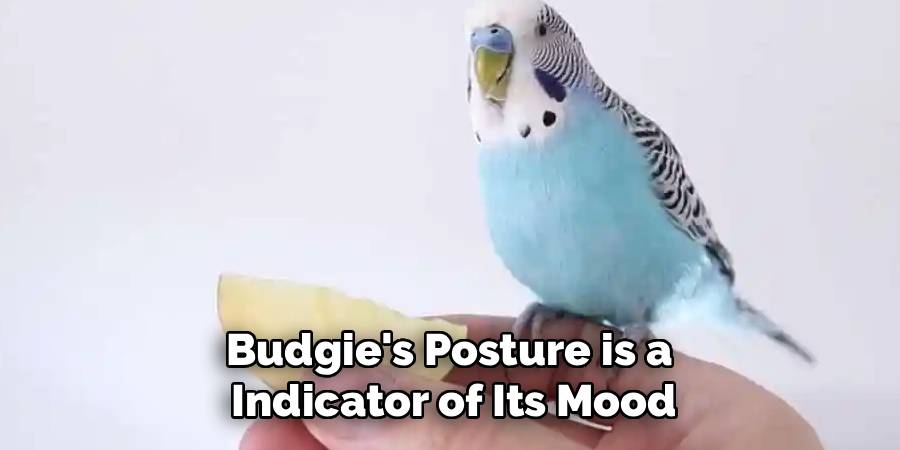
A budgie’s posture is one of the most immediate indicators of its mood. A relaxed and content budgie will often stand on one foot with its feathers slightly fluffed up, looking soft and rounded. In contrast, a frightened budgie will display a “skinny” or “sleek” posture. It will pull its feathers in tight against its body, making itself look thinner and taller. This is an instinctive response to appear smaller and less noticeable to a perceived threat. This tense, rigid stance is a primary visual cue that your bird is on high alert and feeling anxious about something in its immediate environment.
Step 2: Look for Changes in Body Language
Beyond posture, specific body movements can signal fear. A scared budgie might crouch low on its perch, preparing for flight. You may also notice rapid, frantic pacing back and forth in the cage, or even clinging to the side of the bars as if trying to escape. Another key indicator is a frozen stance; the budgie might become completely still, almost like a statue, with its eyes wide and body tense. This is a common fear response where the bird is assessing a threat and deciding its next move. Recognizing these distinct, anxious movements is a fundamental part of knowing how to tell if a budgie is scared.
Step 3: Listen to Their Vocalizations
The sounds your budgie makes can tell you a lot about its state of mind. While happy budgies often chatter, sing, and grind their beaks contentedly, fear elicits very different noises. A sharp, loud, repetitive squawk or screech is a clear alarm call, signaling distress or terror. This is the budgie’s way of warning its flock—and you—of danger. Alternatively, a frightened budgie might fall completely silent, especially if it is trying to avoid being detected by a predator. A sudden stop in cheerful chirping when you enter the room can indicate that your presence is causing anxiety.
Step 4: Monitor Eye Pinning and Blinking
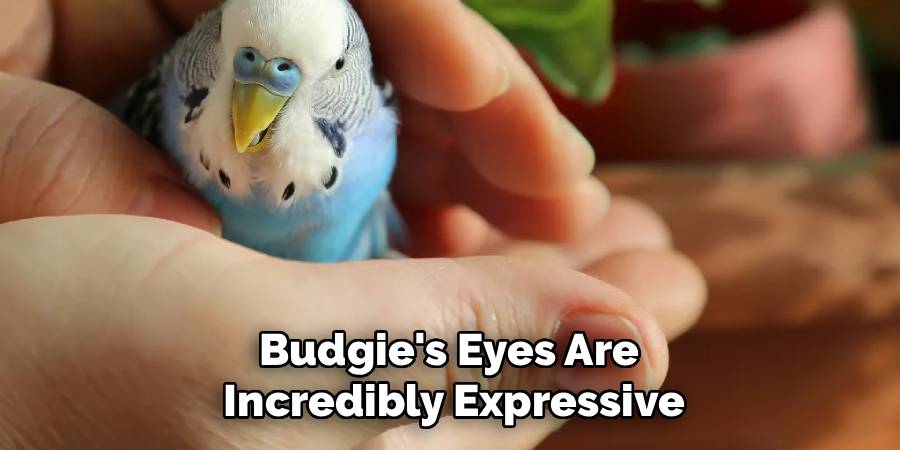
A budgie’s eyes are incredibly expressive. “Eye pinning” or “flashing” is when the pupil rapidly expands and contracts. While this can also indicate excitement or aggression, when paired with other fear signals like a sleek posture, it is a sure sign of high arousal and anxiety. The bird is intensely focused on a perceived threat. Conversely, a relaxed and trusting budgie will often engage in slow, deliberate blinks. If your bird avoids eye contact and its blinking is rapid and frantic, or if its eyes are wide open and unblinking, it is likely feeling stressed and fearful.
Step 5: Check Their Breathing and Tail Movements
Changes in breathing are a reliable physiological sign of fear. You may notice your budgie’s chest moving rapidly or see it breathing with an open beak (panting) when it has not been exercising. This is a sign of significant stress. The tail can also be very telling. While a slight bobbing of the tail is normal with each breath, a pronounced, jerky up-and-down flick of the tail is often associated with stress, nervousness, or readiness for flight. This is different from the wagging motion of a happy bird; a fearful tail bob is more rigid and frantic.
Step 6: Note Their Eating and Drinking Habits
A budgie that is chronically stressed or frightened may exhibit changes in its normal routines, including eating and drinking. Fear can cause a loss of appetite. If you notice your bird is not visiting its food or water dish as often as usual, especially after a change in its environment like a cage move or the introduction of a new pet, it could be a symptom of ongoing anxiety. A bird that is too scared to let its guard down will not feel safe enough to eat or drink, which can quickly lead to health problems if the source of the fear is not addressed.
Step 7: Destructive Behavior
Fear and stress can manifest in physical behaviors directed at themselves or their environment. One of the most serious signs is feather plucking, where a budgie will pull out its own feathers, often leaving bald patches. This is a compulsive behavior similar to nail-biting in humans and is a significant red flag for chronic stress. Other destructive behaviors can include frantic chewing on cage bars, toys, or perches in a way that seems desperate rather than playful. This type of agitated activity often indicates that the bird feels trapped and is trying to escape a source of fear.
Step 8: Assess Their Interaction with You and Their Environment
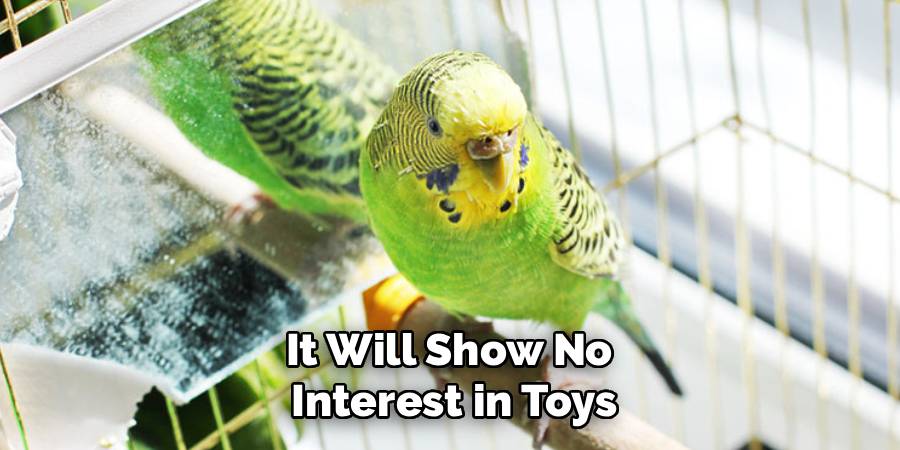
A budgie’s willingness to interact is a strong barometer of its comfort level. A scared budgie will often retreat to the back of its cage when you approach. It may hiss, lunge, or try to bite if you attempt to handle it. It will show no interest in toys, treats, or activities it normally enjoys. If a previously friendly and interactive bird suddenly becomes withdrawn and defensive, it is crucial to identify what might have frightened it. This change in social behavior is one of the most obvious ways to tell that your bird is not feeling safe.
Frequently Asked Questions
What Are the Most Common Things That Scare Budgies?
Budgies can be scared by a wide range of things, as they are prey animals. Common fears include:
- Sudden loud noises (vacuum cleaner, door slamming, thunderstorms).
- Fast, unpredictable movements.
- The presence of other pets, especially cats or dogs.
- Seeing predators outside a window, like hawks or crows.
- New objects in or near their cage.
- Being handled improperly or too forcefully.
How Can I Calm Down a Scared Budgie?
First, remove the source of the fear if possible. Move slowly and speak in a soft, calm voice. Do not try to force interaction. Partially covering the cage can sometimes help them feel more secure. Sit quietly near the cage and read a book or talk gently to them, allowing them to get used to your calm presence without pressure. Offering a favorite treat can also help create a positive association.
Why Is My Budgie Scared of My Hand?
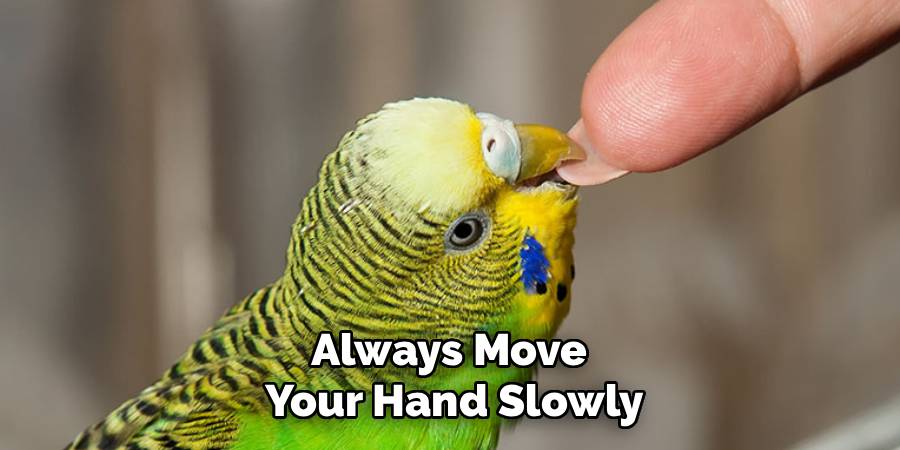
A fear of hands is very common, especially in new or untamed budgies. To a small bird, a hand reaching into their safe space can look like a predator. To build trust, always move your hand slowly and predictably. Start by just resting your hand near the cage. Over time, you can progress to resting it inside the cage, then offering a treat from your palm. This process, called target training, takes patience.
Can a Budgie Die from Being Scared?
Yes, in extreme cases, a budgie can die from fright. A sudden, severe shock can trigger a heart attack or cause the bird to fly frantically around the cage, leading to a fatal injury. This is why it is so important to create a safe, predictable environment for your pet and to protect them from sudden loud noises, startling movements, and encounters with predator animals.
Why Do My Budgie’s Feathers Look Puffy?
Puffy or fluffed-up feathers can mean a few different things. If the bird is relaxed, content, and perhaps standing on one foot, it is a sign of comfort and warmth. They are trapping a layer of air to insulate themselves. However, if a bird is fluffed up, lethargic, and sitting at the bottom of the cage, it is often a sign of illness, as they are trying to conserve body heat. Always consider the context of other behaviors.
Conclusion
Learning your budgie’s language is a rewarding journey that deepens the bond you share. By paying close attention to their posture, vocalizations, and daily habits, you can become adept at recognizing when they feel happy and when something has made them uneasy. Understanding these signals is not just about identifying fear; it is about responding to it with compassion and making the necessary changes to help your bird feel secure again.
The more you observe and interpret their behavior, the more confidence you will gain in your ability to provide a safe and loving home. Now that you have a clearer idea of how to tell if a budgie is scared, you can be a more empathetic and effective caretaker for your feathered friend.

About
Ty Lin is a distinguished figure in the world of pet care and animal behavior, with a decade of expertise creating innovative and compassionate solutions for pet owners. His professional focus lies in merging traditional animal husbandry with modern behavioral science, fostering environments that are both enriching and supportive of animal welfare. As the author of this pet-focused platform, Ty Lin delves into the art and science of responsible pet ownership, inspiring animal lovers and industry professionals alike.
Education
RMIT University (Melbourne, Australia) Associate Degree in Animal Science (Ty Lin) Focus on animal nutrition, habitat enrichment, and practical care techniques. Gained hands-on experience with modern veterinary tech and dietary formulation software.
Nottingham Trent University (United Kingdom) Bachelor’s in Zoology and Animal Behavior (Honors) Specialized in companion animal psychology with a focus on blending positive reinforcement with lifestyle integration. Participated in industry projects, working with leading animal welfare organizations to gain real-world insights.
Publications and Impact
In his writing, Ty Lin shares his insights on pet health, behavioral training, and strategies for creating harmonious multi-pet households. His work bridges the gap between scientific research and daily pet care needs, making it a must-read for both first-time pet parents and seasoned animal enthusiasts.